Red Flags Hiring Cheap Solar Installers: 2026 Guide
Red Flags Hiring Cheap Solar Installers: 2026 Guide
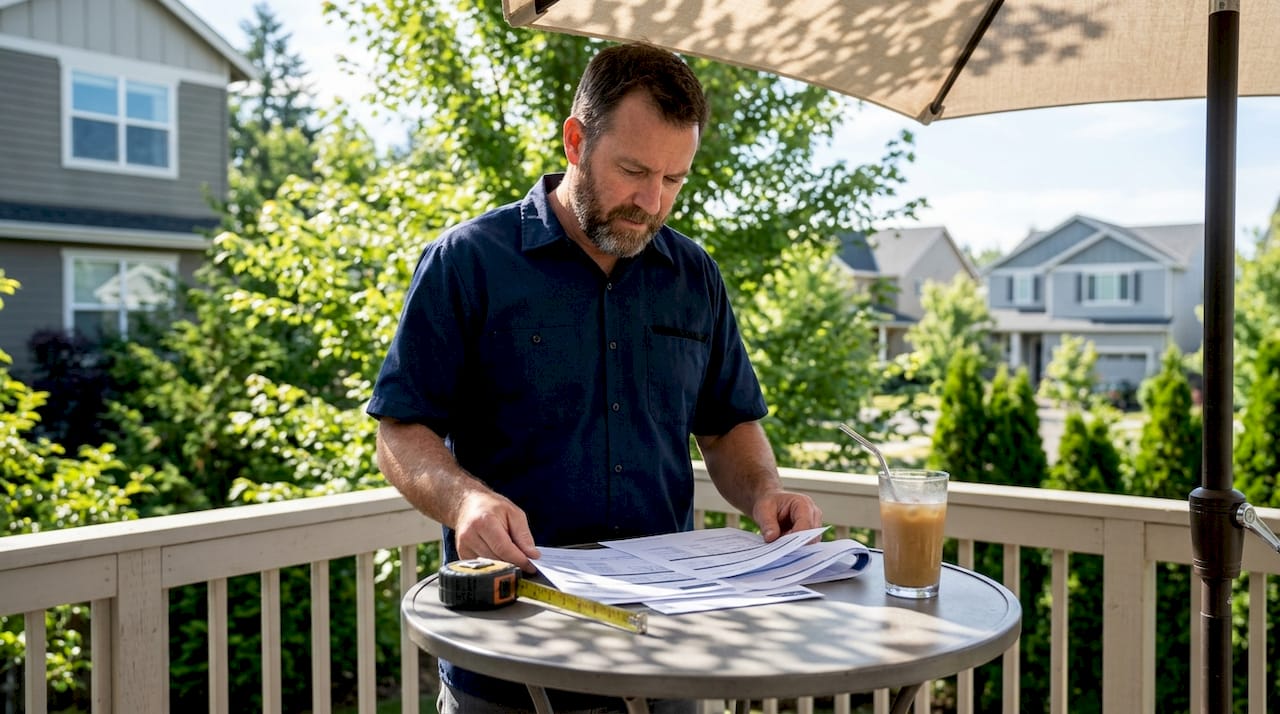
Red flags when hiring cheap solar installers are warning signs that point to inferior equipment, poor workmanship, or financial instability that can cost you far more than you saved upfront. The typical 2026 residential solar system costs between $2.75 and $3.50 per watt in cash. Bids that fall well below that range almost always involve hidden trade-offs. Around 20% of residential solar companies fail within five years, which means a low price today can leave you without warranty support or a functioning system tomorrow. Knowing the specific warning signs cheap solar contractors display protects your investment before you sign anything.
1. Red flags in pricing: when a bid is too cheap to trust
Unrealistic pricing is the most visible red flag in any solar proposal. Quotes under $2.50 per watt almost always involve inferior equipment or hidden costs that appear later in the project. The gap between a suspiciously low bid and a market-rate bid rarely reflects a smarter business model. It reflects corners being cut on the components inside your system.
The most common substitutions in cheap solar quotes include undersized cabling, non-certified inverters, and non-galvanized mounting racks that corrode within a few years. These substitutions can reduce a bid price by 10–20% while creating real fire hazards and reliability failures. A non-certified inverter, for example, may not qualify for SDG&E interconnection, which means your system could sit idle after installation.
- Bids priced more than 20% below the market average of $2.75–$3.50 per watt
- No itemized breakdown of panels, inverters, racking, and labor
- Generic panel brands with no model numbers or spec sheets
- Inverters with no UL or IEC certification listed
- Vague “all-inclusive” pricing with no line items
Pro Tip: Ask every installer to provide a written equipment list with model numbers before you compare prices. Then cross-check those model numbers against the manufacturer’s published spec sheets to confirm the equipment is what they claim.
Inflated production estimates are a related pricing trick. Estimates above 1,500 kWh per kW annually are a common tactic to make payback periods look shorter than they actually are. Cross-check any production estimate against NREL’s PVWatts calculator using your actual address and roof orientation.

2. Excessive upfront deposits and full prepayment demands
Payment structure reveals a lot about an installer’s financial health. Reputable installers require deposits between 10–25% of the total project cost upfront. Any demand for more than 25% before work begins, or full payment before installation, signals financial instability or a high risk of project abandonment.
The pattern is consistent across solar scam cases. A company that needs your full payment before pulling permits or ordering equipment is using your money to fund operations rather than your project. When that company runs into cash flow problems, your project stalls and your money is gone.
- Deposit over 25% of total project cost before permits are filed
- Full payment required before installation day
- No payment schedule tied to project milestones
- Pressure to pay by wire transfer or cash only
- No written contract specifying what triggers each payment
Pro Tip: Structure payments in three stages: a deposit at contract signing (10–25%), a second payment when permits are approved, and the final payment only after your system passes inspection and SDG&E interconnection is confirmed.
Solar loan dealer fees are another financial trap. Dealer fees bundled into financing contracts can inflate your total system cost by 20–30%, hidden inside a raised cash price. Always ask for the cash price and the financed price separately so you can calculate the actual cost of borrowing.
3. Lack of credentials and short company history
A solar company’s age and credentials are direct proxies for its ability to honor long-term commitments. Around 20% of residential solar companies fail within five years, which means a company that launched during the last solar boom may not exist when you need a warranty claim honored. Choosing a company with a verified track record of 5–10 or more years reduces that risk significantly.
Verifying a company’s BBB rating and reading recent customer reviews gives you a real-world picture of how they handle problems, not just how they perform on easy jobs. A BBB rating of A or higher, combined with a pattern of resolved complaints, signals a company that takes accountability seriously.
The credentials you should request before signing any contract:
- State contractor’s license number (verifiable through your state licensing board)
- NABCEP (North American Board of Certified Energy Practitioners) certification
- Proof of general liability and workers’ compensation insurance
- Business license showing years of operation
- Permit history with your local jurisdiction
A company that hesitates to provide any of these documents is not a company you want on your roof. Comparing installer qualifications before you commit takes less than an hour and eliminates most of the risk.
4. High-pressure sales tactics and rushed contract signing
Legitimate installers give you time to think. High-pressure tactics like same-day signing demands or fake limited-time offers are a direct signal that the installer does not want you to compare quotes or verify their credentials. The urgency is manufactured. The goal is to prevent due diligence.
Genuine solar proposals are detailed documents that take time to review. A reputable company expects you to ask questions, get a second opinion, and consult a tax advisor about the federal tax credit. Any installer who treats those reasonable steps as obstacles is hiding something.
Watch for these specific pressure tactics:
- “This price expires today” or “We only have one slot left this month”
- Discounts that appear only if you sign before the sales rep leaves
- Refusal to provide a written proposal to take home and review
- Dismissing your request to get a second quote
- Pushing you to sign before permits or HOA approval are discussed
High-pressure sales tactics designed to rush homeowners into signing contracts often indicate deception and insufficient transparency. Take at least 72 hours to review any solar proposal, and use that time to check the company’s license status and read independent reviews.
5. Subcontracted crews and short workmanship warranties
Who actually installs your system matters as much as what equipment goes in. Installers using in-house crews maintain better quality control and resolve warranty issues faster than companies that hand your job to a subcontractor they may never have worked with before. When something goes wrong, an in-house crew answers directly to the company that sold you the system.
Workmanship warranty duration is one of the clearest signals of installer confidence and company stability. Short warranties correlate directly with installers who do not expect to remain in business long enough to honor claims.
| Warranty term | What it signals |
|---|---|
| 1–5 years | Installer may not plan to stay in business long-term |
| 10–25 years | Installer is confident in their work and expects to be around |
Questions to ask before you commit:
- Are the installers your direct employees or subcontractors?
- What is your workmanship warranty, and is it in writing?
- Who do I call if there is a roof leak or wiring issue after installation?
- Has your installation crew worked together for more than one year?
San Diego Solar uses 100% in-house installation crews with zero subcontractors, a practice it has maintained for 30 years. That structure means the same team that designs your system installs it and stands behind it.
Pro Tip: Ask to see a sample workmanship warranty document before you sign the contract. If the installer cannot produce one, or if it covers less than 10 years, treat that as a disqualifying red flag.
6. Vague or missing permits and interconnection plans
Permits are not optional. Every residential solar installation in California requires a building permit, an electrical permit, and SDG&E interconnection approval before the system can legally operate. An installer who suggests skipping permits to save time or money is exposing you to fines, forced removal, and voided homeowner’s insurance.
The permit process also protects you. A city inspector reviews the structural and electrical work independently, which means a permitted system has a third-party quality check built in. Unpermitted systems have none of that protection.
Ask every installer directly: who pulls the permits, who handles SDG&E interconnection, and what is the expected timeline from permit submission to approval? A vague or dismissive answer to any of those questions is a warning sign cheap solar contractors consistently display. Knowing the right questions to ask before you hire anyone puts you in control of the process.
Key Takeaways
Hiring a cheap solar installer without vetting credentials, payment terms, and warranty coverage is the single most common costly mistake in residential solar installation.
| Point | Details |
|---|---|
| Pricing below market is a warning | Bids under $2.50 per watt typically involve inferior components or hidden costs. |
| Deposits over 25% signal risk | Reputable installers require 10–25% upfront; more than that suggests financial instability. |
| Credentials and longevity matter | Verify state license, NABCEP certification, and at least 5–10 years in business before signing. |
| Pressure tactics mean walk away | Any same-day signing demand or fake urgency is a sign the installer cannot withstand scrutiny. |
| In-house crews and long warranties protect you | A 10–25 year workmanship warranty from a company using its own crew is the quality benchmark. |
What 30 years in San Diego taught me about cheap solar bids
I have reviewed hundreds of solar proposals over the years, and the pattern is always the same. The homeowners who got burned were not naive. They were busy, they trusted a confident salesperson, and they did not know which specific questions to ask. The red flags were there. They just did not know what they were looking at.
The detail most homeowners miss is the workmanship warranty. Equipment warranties from panel and inverter manufacturers are real, but they cover the hardware, not the installation. If a wire connection fails, if a roof penetration leaks, or if the racking corrodes in five years, that is a workmanship claim. A company offering a two-year workmanship warranty is telling you, in writing, that they do not expect to be around long enough to honor a longer one.
The second thing I see overlooked constantly is subcontractor use. A company can have a great reputation and still hand your job to a crew they hired last week through a staffing platform. Ask directly: are these your employees? Ask for their names and how long they have worked for the company. That question alone will tell you more than any sales presentation.
Price matters, but it is the last thing you should evaluate. Verify the license, confirm the crew, read the warranty, and check the permit history first. If all of that checks out, then compare prices. A $500 difference between two qualified installers is worth negotiating. A $5,000 difference between a qualified installer and an unverified one is not a deal. It is a liability.
— Curtis Williamson
San Diego Solar: transparent pricing, in-house crews, 30 years of proof
Choosing the right solar installer is a 25-year decision. San Diego Solar has served San Diego County homeowners since 1996 with 100% in-house crews, zero subcontractors, and workmanship warranties that reflect genuine confidence in the work.
Every San Diego Solar proposal includes a written equipment list, a fixed price, a project timeline, and a clear payment schedule tied to milestones. The 30% federal tax credit applies to panels, battery storage, and installation costs, and most San Diego homeowners see full payback in 5–7 years. San Diego Solar handles all permitting, SDG&E interconnection, and HOA approvals so nothing falls through the cracks. Request a free consultation and see what a residential solar installation proposal from a 30-year company actually looks like.
FAQ
What is a red flag when hiring a cheap solar installer?
A red flag is any sign that an installer is cutting corners on equipment, credentials, or financial stability. Common examples include bids priced below $2.50 per watt, deposits over 25% of the total cost, and workmanship warranties shorter than 10 years.
How do I verify a solar installer’s license in California?
Search the installer’s contractor license number through the California Contractors State License Board (CSLB) website. A valid license, active insurance, and NABCEP certification together confirm the installer meets minimum professional standards.
Why do cheap solar installers use subcontractors?
Subcontractors allow low-cost installers to avoid the overhead of maintaining a trained, full-time crew. The trade-off is reduced quality control and slower warranty response, since the subcontractor has no direct accountability to you after the job is done.
What deposit should I pay a solar installer?
Reputable solar installers require a deposit of 10–25% of the total project cost at contract signing. Any demand for more than 25% upfront, or full payment before installation begins, is a warning sign of financial instability.
How long should a solar workmanship warranty last?
A workmanship warranty of 10–25 years indicates an installer who is confident in their work and expects to remain in business. Warranties of 1–5 years often signal a company that does not plan to honor long-term claims.