Budget for One Swap: Solar Inverter Lifespan and Repair Rules for Homeowners
Budget for One Swap: Solar Inverter Lifespan and Repair Rules for Homeowners
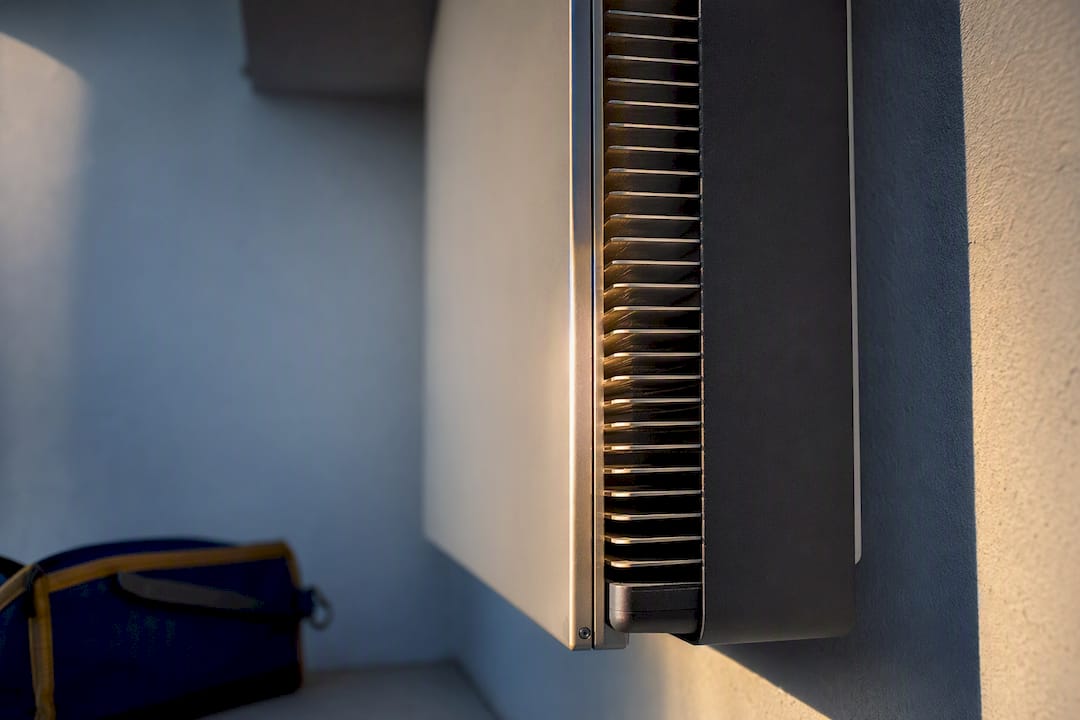
Most string inverters typically run about a decade before they need replacing, while microinverters and DC optimizers are often designed for significantly longer service lives. Heat exposure and installation quality swing that range more than any other single factor. The sections below break down lifespan by inverter type, what actually kills them early, and how to decide between a repair and a full swap.
TL;DR:
- String inverters typically last 10 to 15 years, with many exceeding expectations if installed in optimal conditions.
- Heavy heat exposure and poor ventilation significantly accelerate inverter degradation, especially in outdoor or poorly ventilated locations.
- Regular monitoring and early recognition of error signs, such as unexplained drops in power or unusual noise, improve repair chances and extend inverter life.
- Replacing inverters during their expected lifespan is usually more cost-effective than repairing beyond the warranty period, especially if system upgrades are planned.
- Proper installation and routine maintenance, including shading, ventilation, and firmware updates, can add several years to inverter performance.
Table of Contents
- Solar Inverter Lifespan by Type
- What Shortens or Extends Solar Inverter Durability
- Signs Your Solar Inverter Needs Repair or Replacement
- Maintenance Steps That Extend Solar Inverter Life
- Solar Inverter Replacement Cost and Repair Decisions
- San Diego Solar’s Approach to Inverter Service
- What I’d Tell a Homeowner Planning Ahead
- Ready for an Inverter Inspection or Upgrade
- Sources
- FAQ
Solar Inverter Lifespan by Type
Your solar inverter’s lifespan depends heavily on which category it falls into, and the gap between types is wider than most homeowners expect.
String inverters are the workhorse of residential solar and typically last 10 to 15 years. Manufacturers usually back them with a 5 to 10 year warranty, often extendable for a fee, which tells you something important: the warranty period is a manufacturer’s confidence floor, not a prediction of when the unit will actually die. A string inverter that fails at year 9 is unlucky. One that’s still running at year 14 is doing exactly what industry data suggests it should.
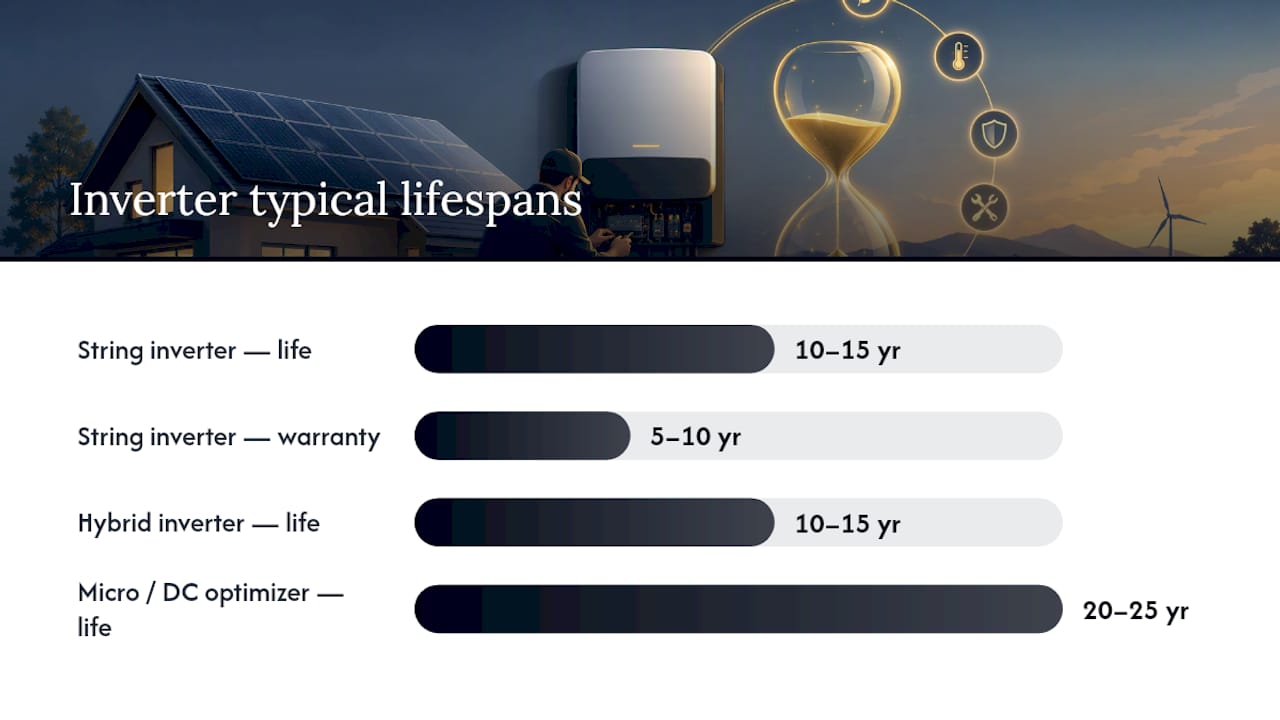
Hybrid inverters, which manage both solar production and battery charging, land in a similar 10 to 15 year window but face extra wear from constant charge and discharge cycling. If you’re pairing solar with a Tesla Powerwall or similar battery, that cycling adds a variable string inverters never deal with.
Microinverters and DC optimizers are the outliers. They’re commonly warrantied for 20 to 25 years and, because each unit handles a single panel’s smaller electrical load, they run cooler and under less stress than a centralized string inverter.
Quick reference:
- String inverters: 10 to 15 years typical life, 5 to 10 year warranty
- Hybrid inverters: 10 to 15 years, shorter under heavy battery cycling
- Microinverters/DC optimizers: 20 to 25 year warranty and expected life
Solar panels generally have longer lifespans than inverters, often exceeding two decades. That mismatch is exactly why inverter replacement planning matters.
What Shortens or Extends Solar Inverter Durability
Heat is a major factor in inverter degradation, with thermal stress widely regarded as a leading contributor to early failure, and the mechanism is straightforward: repeated heating and cooling cycles fatigue the internal components faster than steady operation ever would.
Electrolytic capacitors dry out under sustained heat. Cooling fans wear down from constant duty in hot climates. Semiconductors like IGBTs (the switching components that convert DC to AC) degrade faster when junction temperatures spike repeatedly rather than staying steady. NREL’s research on inverter mission profiles identifies thermal cycling and switching cycles as the primary variables that separate an inverter rated for 15 years from one that actually makes it there.
Installation location compounds all of this. A 2022 field study presented at WCPEC-8 found that inverters mounted outdoors with direct sun exposure faulted earlier than units placed in shaded, ventilated, or indoor locations. Poor airflow traps heat around the unit and accelerates every failure mode above.
Electrical stress adds another layer: grid voltage fluctuations, overvoltage events, and rapid swings in sunlight intensity all put load on components not designed for constant transients.
Key factors that shorten inverter life:
- Direct sun exposure or outdoor mounting without shade
- Poor ventilation or clearance around the unit
- Frequent grid voltage fluctuations or overvoltage events
- Dust, humidity, or corrosive coastal air infiltration
- Age and cumulative thermal cycling regardless of calendar time
Pro Tip: If you’re comparing two installation quotes and one mentions inverter placement in a garage or shaded north-facing wall while the other doesn’t specify, ask. That detail alone can add years to the unit’s working life.
Signs Your Solar Inverter Needs Repair or Replacement
Your inverter usually tells you something’s wrong well before it dies completely. The trick is catching the signal early enough to have options.
- Recurring error codes or resets. A single fault is normal. The same code showing up weekly signals a component sliding toward failure.
- A measured drop in production. Pull up your monitoring app and compare current output against the same month last year. A 10 to 15% unexplained decline, especially isolated to one string, often traces back to the inverter rather than the panels.
- Physical red flags. Unusual humming, a burnt smell, visible corrosion, water stains, or evidence of pest intrusion around the enclosure all warrant an immediate inspection.
- Frequent unexplained shutdowns. An inverter that drops offline during normal sun hours, then restarts on its own, is showing classic pre-failure behavior.
Age matters more than most homeowners realize when weighing repair against replacement. The exact same blown capacitor might get repaired at year 7, when the unit still has years of expected life ahead, but pushed to full replacement at year 13, when the remaining service life doesn’t justify the labor cost of a repair.
Before calling anyone, try the basics: power cycle the unit, check that breakers haven’t tripped, and visually inspect accessible wiring for obvious damage. If the issue persists past that, monitoring your system’s output will help a technician diagnose faster once you do call.
Maintenance Steps That Extend Solar Inverter Life
Solar inverter maintenance is one of the few areas where a small amount of consistent effort produces a real return in extended service life. Thermal management sits at the top of that list, above every other retrofit or upkeep choice.
Start with placement during Elektroplanung PV-Anlage. Install in a cool, shaded, well-ventilated spot and respect the manufacturer’s clearance specifications, which exist precisely to allow convective airflow around the unit. In multi-inverter installations, heat radiating from one unit can raise the operating temperature of its neighbor, so proper spacing between units matters as much as spacing from the wall.
From there, a basic maintenance routine covers most of what’s needed:
- Visual inspection of seals, housing, and connection points for corrosion or moisture intrusion
- Confirming fans spin freely and aren’t clogged with dust or debris
- Keeping firmware current, since manufacturers often patch efficiency and protection logic
- Reviewing monitoring data monthly for gradual production decline
A formal professional inspection every five years is the standard cadence recommended by operations and maintenance providers, and it typically runs a modest flat fee depending on system size and accessibility. Remote monitoring adds real value here: a system that logs fault history and performance trends over time lets you (or your installer) catch a slow decline months before it becomes an outage. For broader system upkeep beyond the inverter itself, see what San Diego solar systems actually need for maintenance.
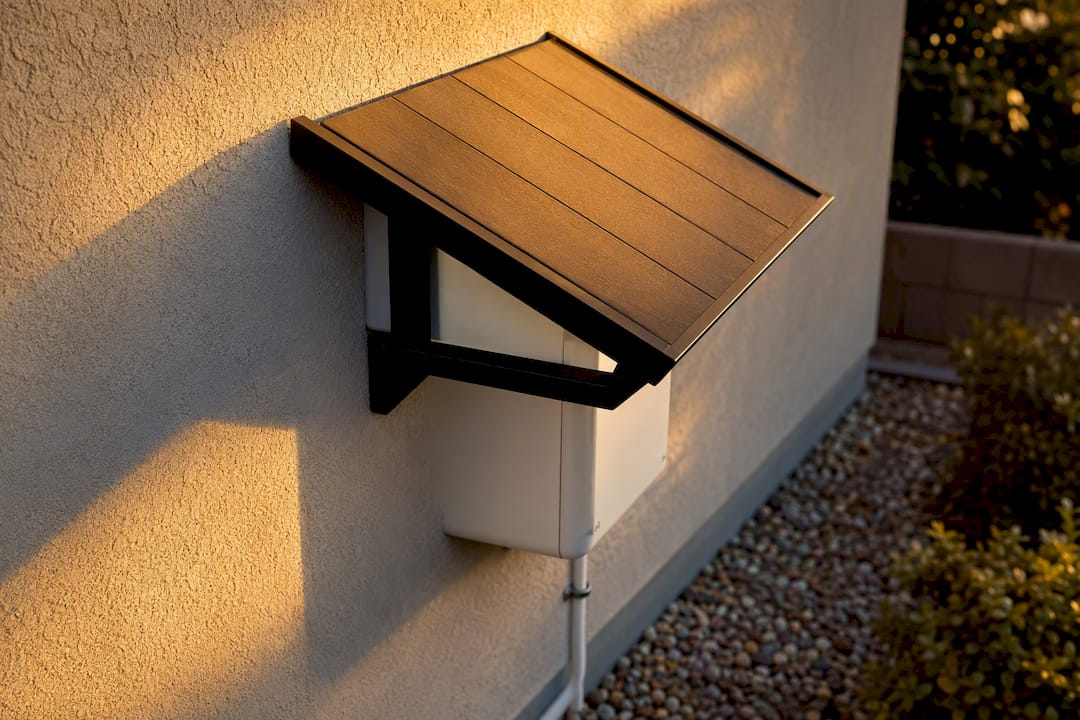
Pro Tip: If your inverter sits in direct afternoon sun on a west-facing wall, a simple shade structure or relocating it during a future service visit can measurably reduce the thermal cycling driving component wear.
Solar Inverter Replacement Cost and Repair Decisions
Replacement costs vary by inverter type, system capacity, and how much wiring work is involved, but homeowners should expect a broad range rather than a fixed number. Microinverter replacements tend to run less per unit since only one panel’s electronics are affected, while a full string inverter swap on a larger system costs more due to the equipment size and labor for rewiring and interconnection paperwork.
A practical rule of thumb used by operations and maintenance teams: If the inverter is still within its expected design life and the repair estimate is significantly lower than a replacement quote, repair can be cost-effective. Beyond design life or repeated faults, replacement is advised.
Before committing either way, ask your installer or the manufacturer these questions:
- Is the unit still under original or extended warranty?
- Does the warranty cover labor, or only the part?
- What’s the realistic remaining service life given its age and location?
- Would a battery-ready hybrid unit make sense as an upgrade at this point?
Replacement is often the right moment to reconsider your setup entirely. If you’re adding a battery system down the line, swapping into a hybrid-capable inverter now avoids paying for two separate equipment changes later.
San Diego Solar’s Approach to Inverter Service
San Diego Solar has handled residential solar installations across the county since 1996, using 100% in-house crews with zero subcontractors across three decades of work. That continuity matters for inverter service specifically, since the crew diagnosing your fault today follows the same standards as the one that pulled the first commercial solar permit in the City of San Diego.
The diagnostic process is straightforward: a technician inspects the unit and its installation environment, diagnoses the specific fault, then presents a clear repair estimate alongside a replacement plan so you can compare both. Services cover inspections, repairs, full replacements, battery-ready upgrades for Tesla Powerwall or Enphase IQ systems, and direct warranty liaison with manufacturers, all handled in-house from start to finish.
What I’d Tell a Homeowner Planning Ahead
Budget for at least one inverter replacement over your system’s lifetime. Panels routinely outlast inverters by a decade or more, so treat that swap as a planned expense, not a surprise. Check your monitoring data periodically rather than waiting for a shutdown to tell you something’s wrong. And when you pick an installer, weigh their long-term support and warranty handling as heavily as their upfront price.
— Curtis Williamson
Ready for an Inverter Inspection or Upgrade
A local solar company with long-term experience handles inverter inspections, repairs, full replacements, and battery-ready upgrades with in-house crews. No subcontractors, no guesswork about who’s showing up to your roof.
If your monitoring app shows a production drop, or your inverter is pushing past the 10 to 15 year mark, a free consultation gets you a straight answer: repair, replace, or upgrade to a battery-ready hybrid system. The service provider manages permitting, utility interconnection, and warranty liaison so homeowners do not have to manage multiple parties for one problem. Schedule a free inspection through the residential solar services page and get a written plan before you commit to anything.
Sources
- How long do residential solar inverters last? — pv magazine (2025)
- Life expectancy of PV inverters — WCPEC-8 (2022)
FAQ
How can you tell if a solar inverter is going bad?
Watch for recurring error codes, unexplained shutdowns, a measurable production drop compared to past months, or physical signs like unusual noise, a burnt smell, or corrosion on the housing.
What are the disadvantages of a solar inverter needing replacement mid-system-life?
The main downside is a mismatched replacement cycle: panels often last 25 years or more while a string inverter typically needs swapping once around year 10 to 15, creating an unplanned cost if you haven’t budgeted for it.
How much does it cost to replace a solar inverter?
Costs vary widely based on inverter type, system size, and wiring complexity, with microinverter swaps generally costing less per unit than a full string inverter replacement on a larger system.
Is a solar inverter repairable?
Many faults are repairable, including blown fuses, failed fans, or loose connectors, and a qualified technician should diagnose the issue before assuming replacement is necessary, especially if the unit is still within its warranty period or design life.