What Whole Home Electrification Means for Homeowners
What Whole Home Electrification Means for Homeowners
Whole home electrification means replacing every fossil-fuel appliance in your house (furnace, water heater, gas range, gas dryer) with an electric equivalent, so nothing in the building runs on gas, propane, or oil. The one-line verdict: it usually makes sense when you’re already replacing worn-out equipment, your local electricity rates aren’t wildly higher than gas, and you can capture federal or state incentives to offset the upfront cost. If your furnace is 20 years old and dying, that’s a far better moment to electrify than ripping out a gas system with 10 years of life left in it.
Four systems drive most of the impact:
- Space heating and cooling (usually a heat pump)
- Water heating (a heat pump water heater)
- Cooking (an induction range)
- Vehicle charging (a Level 2 EV charger)
Key Takeaways
Whole home electrification works best when homeowners sequence upgrades by energy impact, replace equipment at its natural end of life, and size solar around their new electric load.
| Point | Details |
|---|---|
| Definition matters | Whole home electrification replaces every fossil-fuel appliance with an electric equivalent, from heating to cooking to vehicle charging. |
| Sequence by impact | Start with home performance, then heat pumps, water heating, cooking, and EV charging in that order. |
| Panel capacity is the bottleneck | A load calculation early avoids surprise costs and rework later in the project. |
| Incentives require homework | Check DSIRE and Energy.gov, since rebates vary by state, utility, and purchase timing. |
| Size solar last | San Diego Solar designs solar and battery systems around your new electrified load, not your old gas-era usage. |
Table of Contents
- What Is Whole Home Electrification and What Does It Cover?
- Why Homeowners Choose Whole Home Electrification
- How Do You Electrify Your Home Step by Step?
- What Electrical Upgrades Does Electrification Require?
- What Does Whole Home Electrification Cost?
- How Long Does Electrification Take?
- When Might Whole Home Electrification Not Be the Right Move Yet?
- How Do Solar and Battery Storage Fit In?
- Does Electrification Have a Bigger Environmental Footprint Than It Seems?
- Does Whole Home Electrification Affect Resale Value?
- What Safety and Permitting Rules Apply?
- An Installer’s Take on What Actually Slows Projects Down
- How San Diego Solar Supports Your Electrification Plan
- Frequently Asked Questions
- Sources
What Is Whole Home Electrification and What Does It Cover?
“What does electrification mean” in practice? It means every combustion appliance gets swapped for an electric one, ideally all running on the same panel and, for many households, backed by solar. The scope is broader than most homeowners assume.
- Heat pumps replace furnaces and AC units. Air-source models work for most climates; ductless mini-splits fit homes without existing ductwork; geothermal systems cost more upfront but run efficiently in nearly any climate, and the National Renewable Energy Laboratory flags geothermal heat pumps as a genuine opportunity where geology and budget allow.
- Heat pump water heaters replace gas or standard electric tanks.
- Induction cooktops replace gas ranges.
- Heat pump clothes dryers replace gas or standard electric dryers.
- EV chargers replace the gas pump entirely for your vehicle.
Full electrification isn’t all-or-nothing. Plenty of homeowners keep a hybrid heat pump water heater as a bridge step, or hold onto a gas range for a few more years while electrifying everything else first.
Why Homeowners Choose Whole Home Electrification
The environmental case is straightforward: electrifying heating and transportation shrinks a household’s carbon footprint more than any other change you can make at home, and pairing that shift with solar or a cleaner grid multiplies the benefit. But the reasons people actually pull the trigger are often more personal than planetary.
- Indoor air quality. Gas stoves release pollutants indoors that combustion-free cooking simply doesn’t produce.
- Comfort. Heat pumps both heat and cool, often more evenly than a furnace/AC combo, and induction cooktops heat and cool a pan almost instantly.
- Efficiency. Air-source heat pumps run multiple times more efficiently than combustion HVAC, and heat pump water heaters use 50 to 70% less energy than standard electric tanks.
Pro Tip: Don’t judge cost savings by equipment efficiency alone. Your local electricity-to-gas price ratio matters just as much. A home in a region with cheap electricity and high gas prices will see faster payback than one where the reverse is true.
How Do You Electrify Your Home Step by Step?
Sequencing determines whether this project saves money or wastes it. Skip the order below and you risk oversized equipment, duplicated labor, and missed rebates.
- Home performance first. Insulation and air sealing shrink your heating and cooling load before you ever size a heat pump. A tighter envelope means a smaller, cheaper heat pump.
- Space heating and cooling. This is your biggest energy user, so it delivers the biggest single efficiency jump. Heating and cooling account for roughly 40 to 50% of typical home energy use.
- Water heating. Swap in a heat pump water heater once your electrical capacity is confirmed.
- Cooking. Induction ranges need a dedicated 240V circuit, so pair this step with any panel work already planned.
- EV charging and remaining appliances. Add the charger and any electric dryer once your major loads are set.
- Solar and battery sizing. Size your system last, once you know your true new electric load.
Why this order? Smaller equipment costs less, contractors make fewer callbacks, and some incentive programs require staged replacement at end of life rather than ripping out working equipment. A phased plan over 1 to 3 years also spreads cash flow better than an all-at-once gut renovation.
Pro Tip: Pull your electrical permit and your HVAC contractor’s scope at the same time. Homeowners who hire the electrician after the heat pump is already installed often pay for a second visit to fix circuit sizing that should have been settled up front.
What Electrical Upgrades Does Electrification Require?
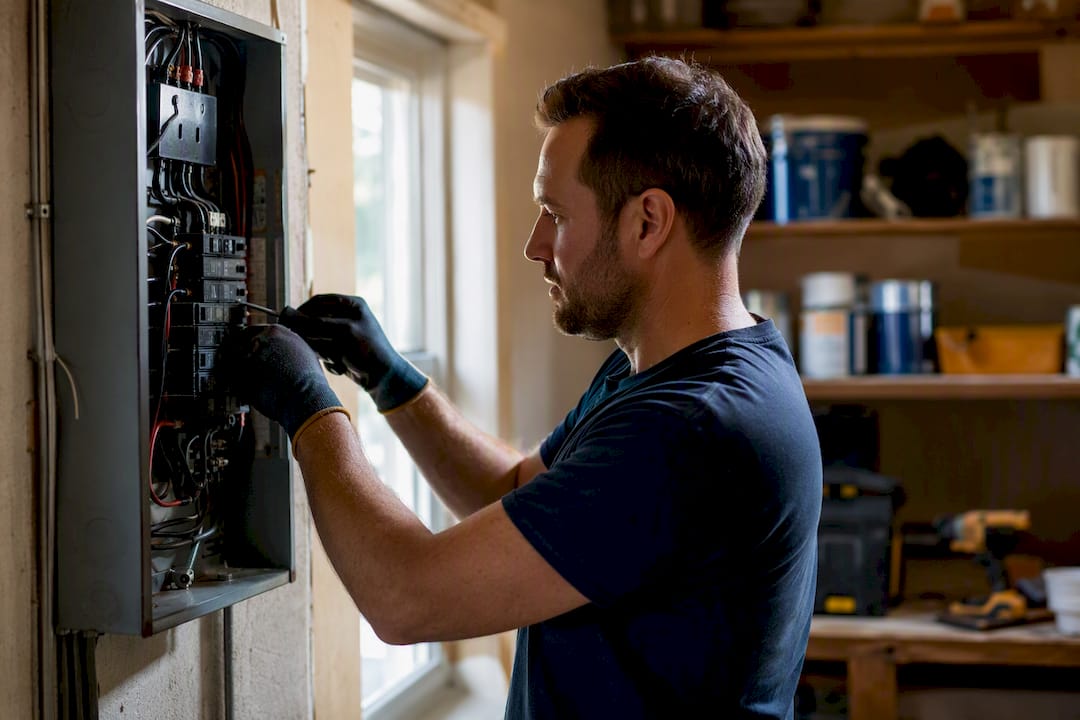
Most whole home electrification projects touch the panel at some point. New 240V circuits for the range, the heat pump, and the EV charger are common, and older homes with 100-amp service sometimes need a full service upgrade to 200 amps.
- Dedicated circuits for the heat pump water heater and the EV charger
- Conduit run from the panel to the garage or driveway for charging
- A load calculation before assuming you need a panel upgrade
Not every home needs a full service upgrade. Smart panels and load-management devices can shed or stagger demand from big appliances, letting some homeowners avoid an expensive utility service change. Ask your electrician for a load calculation before you commit to anything, confirm what inspections your jurisdiction requires, and get the permit timeline in writing.
What Does Whole Home Electrification Cost?
Costs vary by region, home age, and how much electrical work is already in place. Treat these as planning ranges, not quotes.
| Component | Typical Upfront Cost | Main Savings Driver |
|---|---|---|
| Heat pump HVAC system | a few thousand to around fifteen thousand dollars | Efficiency vs. furnace/AC (2–4x) |
| Heat pump water heater | around one thousand eight hundred to three thousand five hundred dollars | 50–70% less energy than electric resistance |
| Induction range | approximately one thousand two hundred to three thousand dollars | Faster cooking, no gas hookup fee |
| Level 2 EV charger | several hundred to two thousand dollars | Home charging vs. gas/public charging |
| Panel upgrade | about two thousand to four thousand five hundred dollars | Enables all above, varies by home |
Electrifying on your normal replacement cycle, rather than ripping out working equipment, usually spreads cost over years and lets you capture rebates tied to specific purchase windows.
Federal tax credits currently cover a meaningful share of solar, battery, and some efficiency upgrades. Check DSIRE or Energy.gov for the state and utility rebates layered on top, since these change by ZIP code and utility territory.
How Long Does Electrification Take?
A single system swap, like a heat pump water heater, often installs in a day. Full HVAC conversions typically run 1 to 3 days once equipment arrives, though lead times for heat pumps can stretch several weeks during peak season.
- Planning and energy audit: 2 to 6 weeks
- Permitting can take from a week to a couple of months, depending on jurisdiction
- A phased plan over multiple months can sequence major systems to spread cost
- All-at-once approach: 2 to 3 months for design through final inspection
When Might Whole Home Electrification Not Be the Right Move Yet?
Electrification isn’t automatically the right call this year for every home.
- High upfront cost without local rebates can stretch payback past a decade
- A poorly insulated home wastes money on an oversized heat pump
- Very cold climates need cold-climate-rated heat pump models, not standard units
- Planning to sell within a year or two limits payback time
If your envelope needs work first, or your budget can’t absorb the gap between incentives, a phased approach beats rushing into a full conversion.
How Do Solar and Battery Storage Fit In?
Electrify your major loads before you size solar, not after. A heat pump, heat pump water heater, and EV charger together push your electricity use well above a gas-heavy home’s baseline, and sizing solar around your new consumption avoids an undersized system that leaves you buying grid power at peak rates. Battery capacity depends on your goal: backup resilience during outages needs different sizing than pure bill savings under NEM 3.0 export rules.
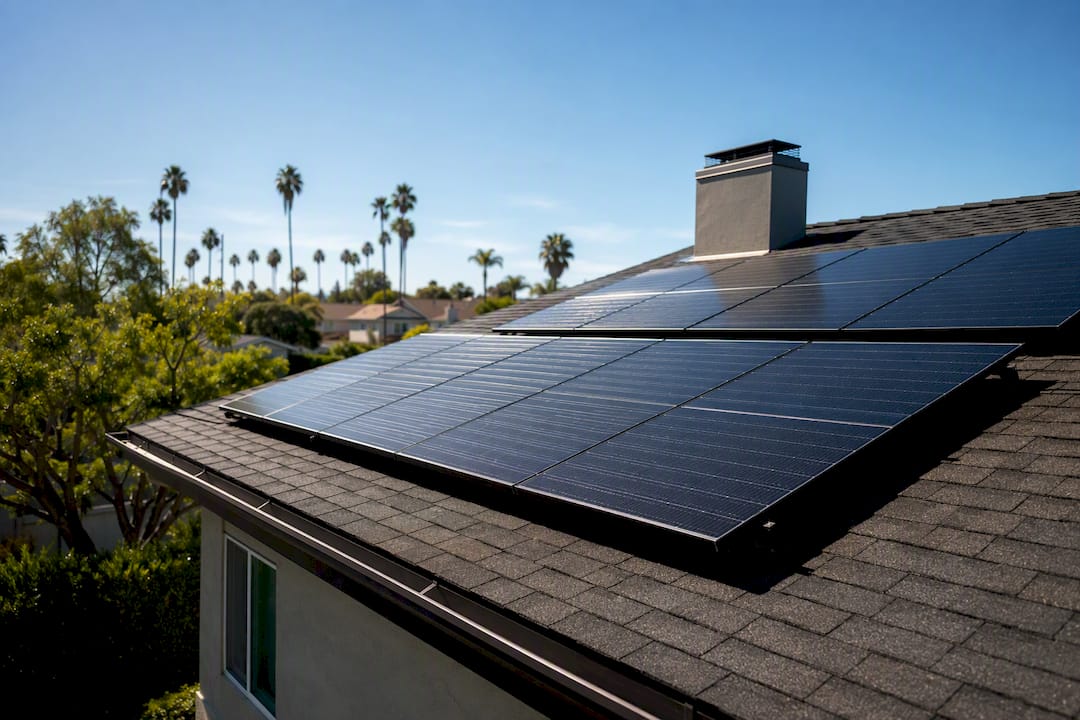
Pro Tip: If you’re planning a heat pump, HPWH, and EV charger, expect your baseline electric load to roughly double. Size solar and any battery storage around that new number, not your old gas-era electric bill.
Does Electrification Have a Bigger Environmental Footprint Than It Seems?
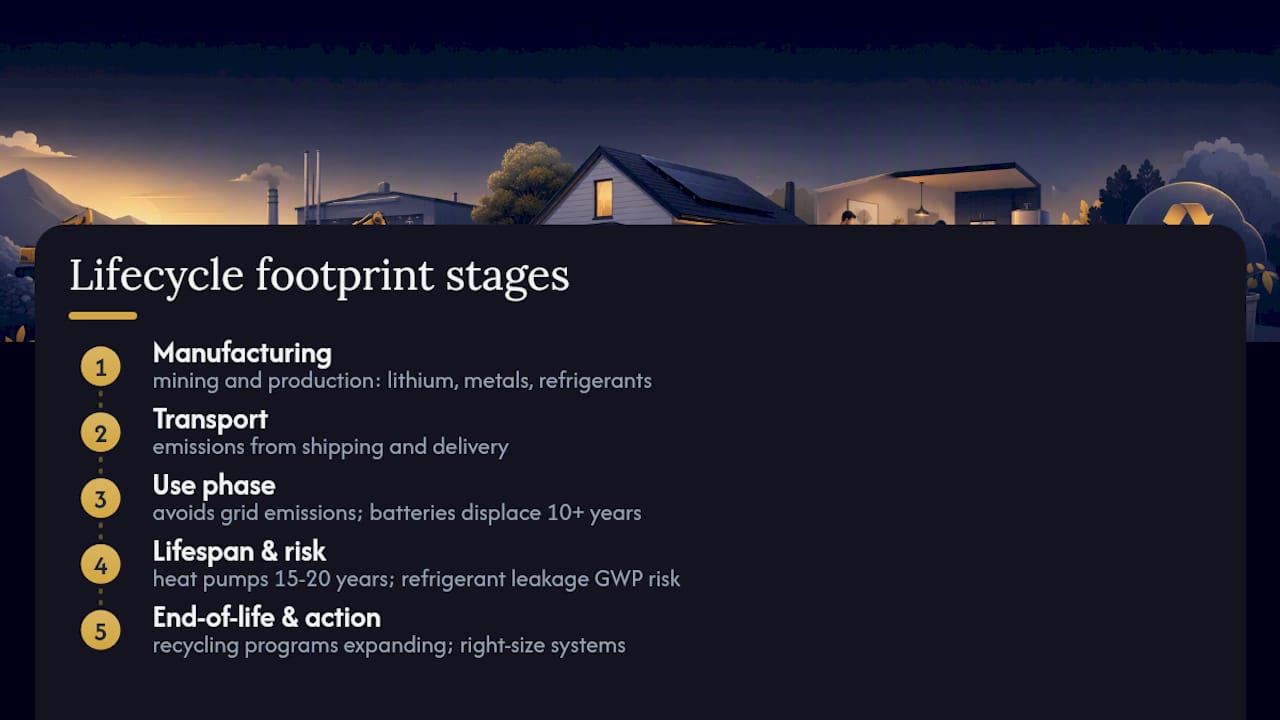
Emissions reductions get most of the attention, but the equipment itself carries a lifecycle footprint worth understanding. Heat pumps, batteries, and induction ranges require mining and manufacturing that use energy and raw materials, including refrigerants in heat pumps and lithium or other metals in batteries.
That doesn’t undercut the case for electrification. It just means the full environmental picture includes manufacturing, transport, and eventual disposal or recycling of equipment, not just the emissions avoided while it runs. A heat pump’s refrigerant, for instance, can have a high global warming potential if it leaks, though newer refrigerant blends are lower impact than older ones. Manufacturers have been shifting toward these lower-impact refrigerants as regulations tighten, which matters more over a 15 to 20 year equipment lifespan than most buyers realize at purchase time.
Batteries carry a similar tradeoff. Lithium extraction and battery manufacturing have real environmental costs upfront, but a battery paired with solar displaces grid electricity for a decade or more, and end-of-life recycling programs for residential batteries are expanding as the installed base grows.
The practical takeaway for an environmentally conscious homeowner: buy equipment sized correctly the first time, since oversized systems waste materials and money alike, and favor manufacturers with documented recycling or takeback programs when you can find them. A right-sized heat pump that runs efficiently for two decades has a far better lifecycle profile than a system that’s replaced early because it was undersized or poorly installed.
Does Whole Home Electrification Affect Resale Value?
Electrified homes are increasingly attractive to buyers, particularly in markets where energy costs and climate concerns weigh on purchase decisions. A newer heat pump system, a modern electrical panel, and existing EV charging infrastructure all read as upgrades a buyer doesn’t have to budget for themselves.
The panel and wiring work matters more than most sellers expect. A home with 200-amp service and dedicated circuits already in place removes a common objection buyers raise when they’re comparing an electrified home to a gas-heated one that would need similar work. Solar paired with the electrification, particularly with a transferable warranty, can be a genuine selling point rather than a neutral feature.
That said, resale value isn’t guaranteed to jump dollar for dollar with what you spend. Buyers in some markets still associate gas ranges with higher-end kitchens, and a fully electrified home in an area with high electricity rates relative to gas can raise questions during a sale if a buyer hasn’t done the math on total efficiency gains. The equipment’s age and documented maintenance history matter more to appraisers than the fact that it’s electric. A five-year-old heat pump with service records adds more perceived value than an electrification claim without paperwork behind it.
Framing electrification as part of a broader home improvement, alongside updated insulation or a new roof, tends to resonate better with buyers than presenting it as a standalone environmental statement.
What Safety and Permitting Rules Apply?
Nearly every component of whole home electrification requires a permit, and skipping that step creates real problems at resale or insurance claim time. Electrical work, in particular, falls under strict code requirements because incorrect circuit sizing or grounding creates fire risk.
Panel upgrades, new 240V circuits, and EV charger installations typically require an electrical permit and inspection under the National Electrical Code as adopted by your local jurisdiction. Heat pump installations often need both an electrical permit and a mechanical permit, since the equipment involves refrigerant lines as well as wiring. Induction ranges need a dedicated circuit sized correctly for the unit’s draw, which is not always the same as the circuit that served your old gas range.
Refrigerant handling in heat pumps is regulated separately. Only licensed technicians should handle refrigerant charging or evacuation, both because it’s required by law in most states and because improper handling risks leaks that undercut the environmental benefit of the system in the first place.
A basic safety and permitting checklist before work begins:
- Confirm your contractor pulls both electrical and mechanical permits where required
- Verify the panel has capacity for new circuits before equipment is ordered
- Ask for a load calculation, not a guess, if you’re unsure about panel capacity
- Confirm refrigerant work is performed by an EPA-certified technician
- Schedule final inspection before paying the last invoice
Permitting timelines vary widely by city and season, so build that variability into your project schedule rather than assuming a fixed number of weeks.
An Installer’s Take on What Actually Slows Projects Down
Most delays trace back to sequencing, not equipment. Schedule envelope work like insulation and air sealing before mechanical trades show up, not after, and get your panel capacity checked in week one instead of week eight. A written scope and timeline from every contractor involved prevents the finger-pointing that happens when a heat pump installer and an electrician show up with different assumptions.
What we wish more homeowners brought to that first site visit: photos of the electrical panel and service entrance, the age of existing appliances, and a rough idea of which systems matter most to them. That single conversation shapes the entire project plan.
How San Diego Solar Supports Your Electrification Plan
Electrifying your heating, water heating, and vehicle charging raises your home’s electric load, and that’s exactly where pairing the project with solar and battery storage pays off.

Our in-house engineering team handles system design, panel upgrade planning, solar and battery installation, EV charger integration, and all permitting and SDG&E interconnection paperwork, so the electrical side of your electrification project doesn’t become a separate headache. Most homeowners see full payback often occurs within several years with substantial electric bill reductions.
If you’re planning a heat pump, water heater, or EV charger install and want to know how it changes your solar sizing, request a free consultation and we’ll walk your panel, your usage, and your goals through a design built specifically for your home.
Frequently Asked Questions
What is whole home electrification explained simply? It means replacing every gas or oil appliance in your house, heating, water heating, cooking, and drying, with electric alternatives, so the whole home runs on electricity.
How much does whole house electric conversion typically cost? Costs vary widely by home size and existing electrical capacity, but major components typically range from $1,200 for an induction range to $15,000 for a full heat pump HVAC system, before incentives.
What should I electrify first? Home performance improvements come first, followed by space heating and cooling, since heating and cooling represent the largest share of home energy use.
Do I need a panel upgrade to electrify my home? Not always. A load calculation determines whether your existing panel has enough capacity or whether smart load-management devices can avoid a full service upgrade.
Does electrification work in cold climates? Yes, with the right equipment. Modern cold-climate heat pumps perform well in freezing temperatures, though model selection matters more than it does in milder regions.
Sources
- NREL — Benefits of heat pumps detailed in new report
- U.S. Department of Energy — Residential cold climate heat pump challenge
- EIA — Residential energy consumption