Why Subcontractors Risk Solar Quality for Homeowners
Why Subcontractors Risk Solar Quality for Homeowners
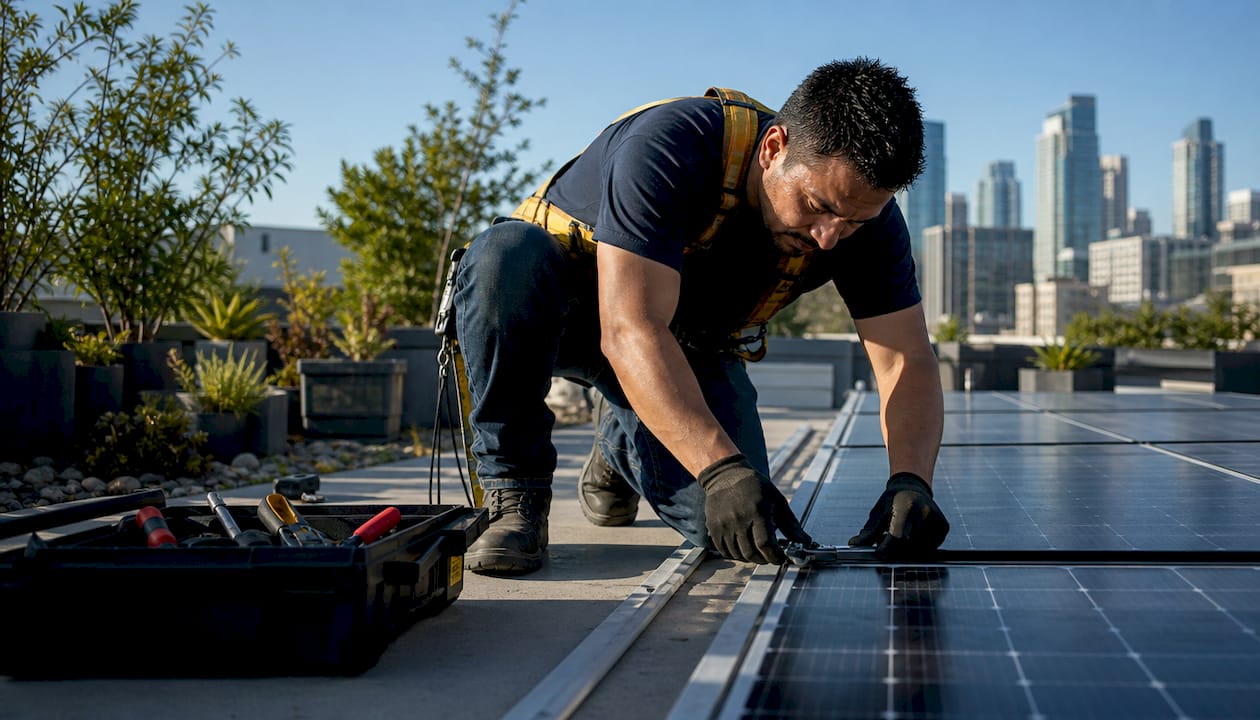
Subcontracting is the leading cause of workmanship failures in residential solar installations. When a solar company sells you a system but sends a third-party crew to install it, the chain of accountability breaks before the first panel goes on your roof. Industry analysis shows 80% of solar projects had wiring defects and 83% had connector problems across 1,000 projects involving 120 subcontractors. That figure is not an outlier. It reflects a structural problem in how subcontracted labor operates, and it directly explains why subcontractors risk solar quality in ways that cost homeowners thousands of dollars in repairs, lost production, and warranty disputes.
Why subcontractors risk solar quality: the core problem
Subcontracted solar installations fail at a higher rate because no single team owns the outcome from design to final inspection. The sales company designs the system. A separate crew installs it. Neither party has full visibility into what the other did, and neither carries complete responsibility when something goes wrong.
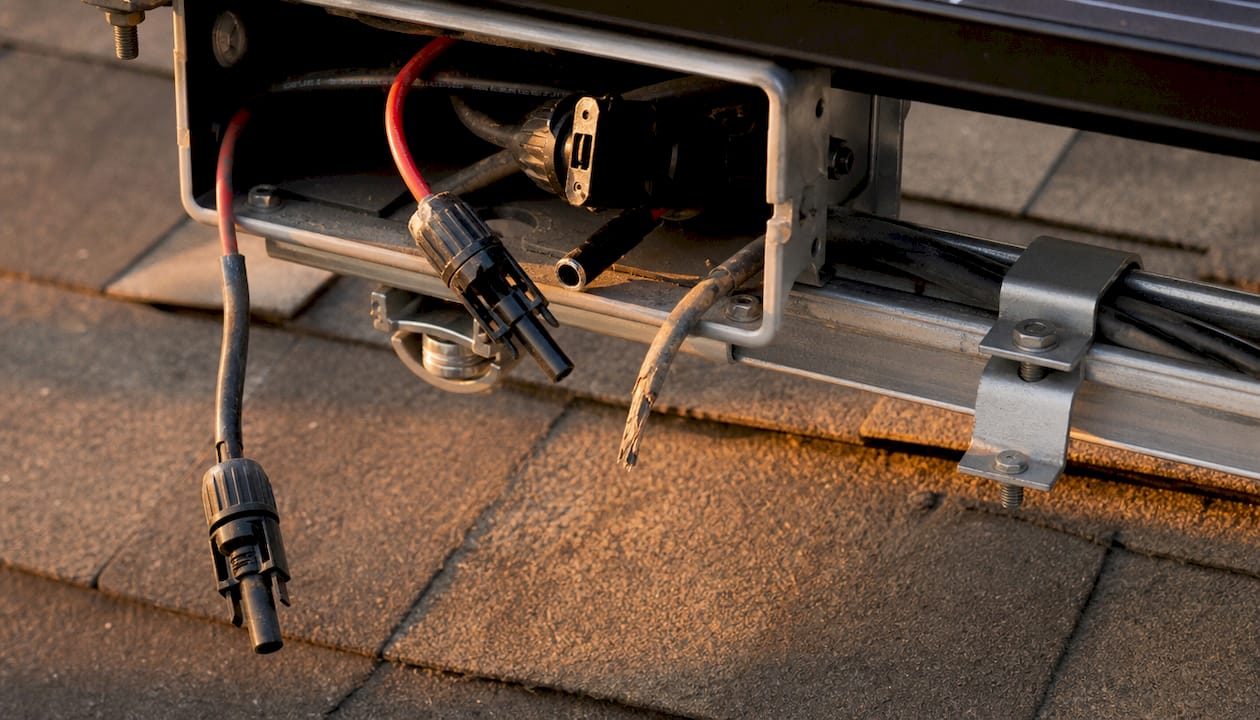
The most common defects are not exotic. Loose MC4 connector fittings, damaged wire insulation, and improperly torqued terminal connections are basic errors that a trained in-house crew catches before they leave the job site. Subcontractors, working on execution-only contracts, rarely have access to the original design documents or CRM records that would flag a mismatch between the planned layout and what is physically possible on your roof. Direct in-house crews use design documents to catch errors early. Subcontractors skip that step because it is outside their scope.
The financial consequence is severe. Rework costs 3–5 times more when defects surface after installation rather than during progress inspections. A wiring fault that costs $200 to fix during installation can cost $800–$1,000 to diagnose and repair after the system is commissioned and the crew has moved on.
What specific quality issues arise from subcontracted solar installations?
The defect patterns in subcontracted projects follow a predictable list. Understanding them helps you ask the right questions before signing any contract.
- Wiring errors: Reversed polarity, undersized conductors, and unsecured conduit runs are the most reported issues. They reduce output and create fire risk.
- Connector failures: MC4 connectors that are not fully seated arc under load. This is the single most common cause of solar fires in residential systems.
- Improper torque: Lugs and terminal blocks require specific torque values. Undertorqued connections overheat. Overtorqued connections crack insulation.
- Roof penetration mistakes: Subcontractors unfamiliar with your specific roofing material often use the wrong flashing method, voiding your roof warranty and creating leak paths.
- Missing or incorrect labeling: NEC 690 requires specific labels on DC circuits. Subcontractors working fast on multiple sites frequently skip this step, which fails inspection and delays interconnection.
Pro Tip: Request a three-phase photo documentation package from your installer: one set before panels go up, one during wiring, and one at system commissioning. Any installer unwilling to provide this is telling you something important about their process.
Fragmented workflows make these errors more likely. When the crew on your roof has never spoken to the engineer who designed your system, small field decisions get made without context. That gap is where defects are born.
How does the subcontractor labor model impact warranty reliability?
Warranty enforcement is where the subcontractor model creates its most expensive problems for homeowners. 64% of residential solar workmanship disputes involve third-party labor where the original installer is unreachable. That statistic means the majority of warranty claims in subcontracted projects hit a dead end.
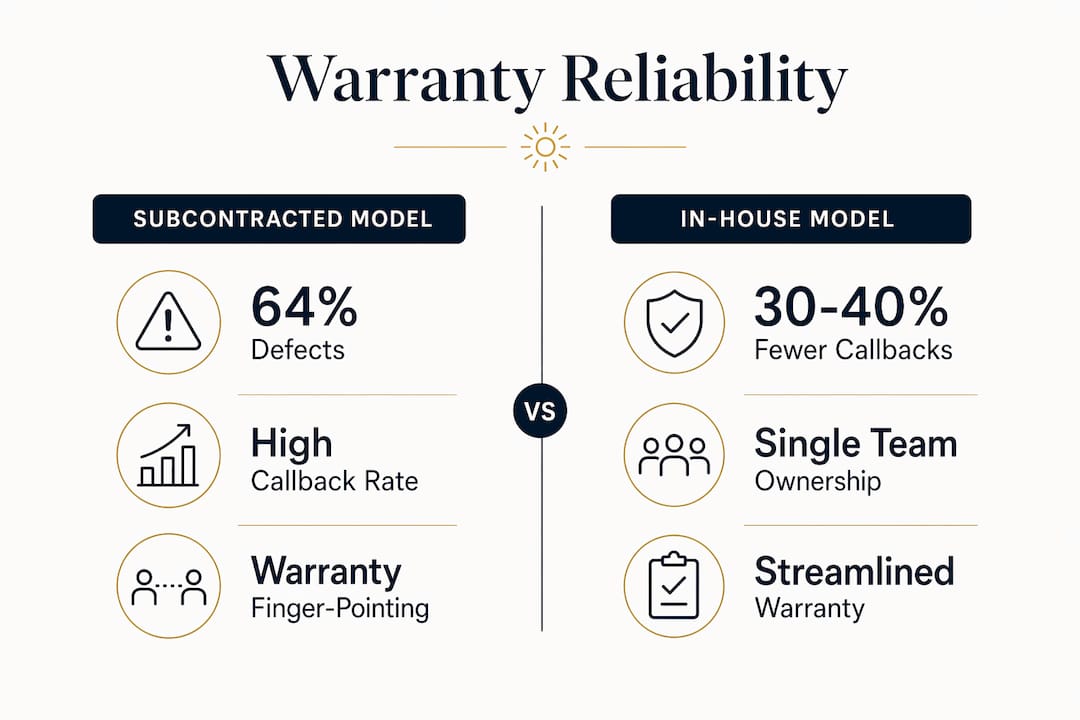
The mechanism is called “warranty finger-pointing.” The sales company says the defect is a workmanship issue and points to the subcontractor. The subcontractor says the design was wrong and points back to the sales company. You are left in the middle, waiting for a resolution that may never come. Warranty disputes in fragmented models often leave neither party taking unified responsibility.
Homeowners facing this situation often pay out of pocket. Repair costs of $2,000–$5,000 are common when the subcontractor is no longer operational and the warranty has no clear owner. That is money no homeowner planned to spend five years after installation.
| Warranty attribute | Subcontracted model | In-house model |
|---|---|---|
| Workmanship responsibility | Split between sales company and subcontractor | Single company owns all workmanship |
| Dispute resolution speed | Slow; requires coordination between parties | Fast; one call reaches the installing crew |
| Labor warranty duration | Typically shorter; varies by subcontractor | Consistent; set by the primary company |
| Crew availability for callbacks | Low; subcontractors move between projects | High; same crew returns for service calls |
| Out-of-pocket risk | High when subcontractor is unreachable | Low; company absorbs warranty obligations |
In-house crews reduce callback rates by 30–40% compared to subcontractor models. That reduction comes from consistent quality standards and the fact that the same people who installed your system are accountable for fixing it.
Why do subcontractors increase project delays and hidden liabilities?
Schedule overruns in subcontracted solar projects are common. Subcontractors juggle multiple clients and prioritize jobs based on their own cash flow, not your timeline. A no-show on your installation day can push your SDG&E interconnection date back by weeks, delaying the moment your system starts saving you money.
The liability exposure goes beyond scheduling. Poor insurance verification can expose homeowners to costly accidents and liability settlements that exceed the project value. If a subcontractor without proper workers’ compensation coverage is injured on your roof, your homeowner’s insurance becomes the backstop.
- Insurance gaps: Always verify that the subcontractor carries general liability and workers’ compensation. A certificate of insurance from the primary contractor is not sufficient. You need documentation specific to the crew on your property.
- Lien risk: Subcontractors can file mechanics’ liens against your property if the primary contractor fails to pay them. You can pay the contractor in full and still face a lien from a crew you never hired.
- Contract flow-down failures: Subcontractor agreements must flow down technical standards and testing procedures from the main contract. When they do not, the primary contractor absorbs the liability and often passes the cost to you through change orders.
- Wage compliance: On projects with any federal incentive involvement, Davis-Bacon prevailing wage rules apply. Subcontractors unfamiliar with these rules create compliance exposure for the entire project.
Pro Tip: Before signing any solar contract, ask the company directly: “Will your employees or subcontractors install my system?” If the answer involves subcontractors, request copies of their license numbers, insurance certificates, and any flow-down contract terms before work begins.
How can homeowners reduce risks when subcontracting is involved?
The most effective protection is choosing a company that does not subcontract. When that is not possible, a structured due diligence process significantly reduces your exposure. Verifying licensing, liability insurance, and workers’ compensation for every subcontractor is the minimum standard, not an optional extra.
Here are the steps that matter most:
- Confirm crew identity in writing. Get the names of the specific subcontractors and their license numbers before the contract is signed. Vague language like “qualified crews” is a red flag.
- Demand technical standards in the subcontract. The agreement between the primary contractor and the subcontractor should reference NEC 690, NABCEP installation standards, and any manufacturer-specific requirements for your panels and inverters.
- Require three-phase inspections. Inspections at rough-in, pre-commissioning, and final sign-off catch defects before they are buried behind finished assemblies. Most installation defects are hidden behind finished work, and staged inspections with photo proof drastically reduce rework costs.
- Verify insurance independently. Call the insurance carrier listed on the certificate to confirm the policy is active. Expired or fraudulent certificates are more common than most homeowners expect.
- Include a direct accountability clause. Your contract with the primary company should state that they remain responsible for all workmanship, regardless of who performs the labor.
- Check for lien waivers. Require conditional lien waivers from all subcontractors at each payment milestone. This protects your property title.
- Research the primary contractor’s track record. Review how to compare installer qualifications before committing, and look specifically for companies with in-house crews and long local operating histories.
National solar companies often charge 10–20% price premiums while still subcontracting labor. That means you pay more and get less accountability. A local company with an in-house crew often delivers better long-term value even if the upfront quote looks similar.
Key Takeaways
Subcontracted solar installations create a structural accountability gap that directly increases defect rates, delays warranty resolution, and exposes homeowners to out-of-pocket repair costs that in-house models largely eliminate.
| Point | Details |
|---|---|
| Defect rates are high | 80% of subcontracted projects had wiring defects; 83% had connector problems across 1,000 analyzed projects. |
| Warranty disputes are common | 64% of workmanship disputes involve third-party labor where the original installer is unreachable. |
| Repair costs escalate fast | Defects caught post-installation cost 3–5 times more to fix than those caught during staged inspections. |
| Hidden liabilities are real | Unverified subcontractor insurance can expose homeowners to accident liability and mechanics’ liens. |
| In-house crews perform better | In-house teams reduce callback rates by 30–40% compared to subcontractor models. |
The accountability vacuum no one talks about
I have watched the subcontractor model create the same problem on repeat for three decades. A homeowner signs with a company that has a polished website and a low quote. Six months later, the system underperforms. They call the company. The company calls the subcontractor. The subcontractor has moved on to another market. Nobody shows up.
What frustrates me most is that this outcome is entirely predictable. Seasonality makes it worse. During peak installation seasons, subcontractors take on more work than they can handle. Quality drops because speed is what gets them paid. The homeowner has no way to know this is happening until the inspection fails or the system trips offline.
The uncomfortable truth is that a lower upfront quote from a company using subcontractors often costs more over a 10-year period than a slightly higher quote from a company with its own crew. The math changes the moment you factor in one warranty dispute, one rework visit, or one lien filing. Homeowners who prioritize contract clarity and crew accountability before signing protect themselves from expenses that never appear in the original proposal. Knowing the signs of a trustworthy installer before you commit is the single most valuable step you can take.
— Curtis Williamson
San Diego Solar: one crew, one warranty, zero subcontractors
San Diego Solar has completed thousands of residential installations across San Diego County since 1996 using 100% in-house crews. No subcontractors have touched a San Diego Solar installation in 30 years of business. That means one team designs, installs, and services your system, and one company stands behind every connection on your roof.

Every San Diego Solar installation comes with a written project timeline, transparent pricing, and manufacturer warranties up to 25 years. The same engineers who design your system are reachable when you have a question five years from now. For homeowners who want residential solar without the accountability gaps that subcontracted models create, San Diego Solar offers a free consultation with no obligation.
FAQ
What percentage of solar projects have wiring defects from subcontractors?
Industry analysis of 1,000 projects found that 80% had wiring defects and 83% had connector problems. These figures reflect the systemic quality risks that subcontracted labor models introduce.
How do subcontractors affect solar warranty claims?
64% of residential solar workmanship disputes involve third-party labor where the original installer is unreachable. Homeowners often pay $2,000–$5,000 out of pocket when the subcontractor is no longer operating and no clear warranty owner exists.
Can a subcontractor file a lien on my home?
A subcontractor can file a mechanics’ lien against your property even if you paid the primary contractor in full. Requiring conditional lien waivers at each payment milestone is the standard protection against this risk.
What questions should I ask to find out if a company uses subcontractors?
Ask directly: “Will your employees or subcontractors install my system?” Then request the license numbers and insurance certificates for the specific crew assigned to your project before signing anything.
Why do in-house solar crews outperform subcontractors on quality?
In-house crews have access to the original design documents, maintain consistent training standards, and are directly accountable to the company that sold you the system. That combination reduces callback rates by 30–40% compared to subcontractor models.